

In fact, you’ve already started skipping some meetings and appointments. It doesn’t mean you must wear a scarlet A on your chest as a forever alcoholic and have it define you, but you have to safeguard your sobriety as vehemently as you would any other achievement. People with twenty years of sobriety and access to better resources than you and I have fallen victim to relapse, often with deadly consequences.
Does a Slip or Relapse Mean You Need to Reenter Addiction Treatment?
A relapse prevention plan is a vital tool for anyone in recovery.Having a plan helps you recognize your own personal behaviors that may point to relapse in the future. It also outlines ways to combat those behaviors and get back on track. Learning how to make a relapse prevention plan and going through the process of creating Alcohol Relapse a relapse prevention plan could be the difference between longer periods of sobriety and repeated relapse.

Develop a healthy routine
Arguments with partners, family, or friends can bring up feelings of frustration and hopelessness, leading some individuals to turn to alcohol for relief. Returning to old bars, parties, or other drinking environments can spark nostalgia and cravings. Even seeing alcohol commercials or walking past a liquor store can be triggering.
Understanding Alcohol Rehabilitation Centers
A relapse is a recurrence of symptoms of a disease after a period of improvement. With alcoholism, it happens when an alcoholic drinks excessively again, even though they have been sober for a significant amount of time. Relapse is a pretty common occurrence, especially among recovering alcoholics. According to the National Institute on Alcohol Abuse and Alcoholism, approximately 90% of alcoholics will relapse.
- PAWS is thought to be caused by changes in the brain that occur as a result of long-term substance abuse.
- Post-acute withdrawal syndrome (PAWS) is a set of symptoms that can occur after the initial acute withdrawal period from substance abuse or addiction.
- Empathise with that person, listen carefully to what they have to say, but don’t dismiss the problem.
- In summary, the lack of coping mechanisms for stress and triggers is a significant barrier to sustained recovery.
- Contact a Recovery Advocate today to take the first step toward living an alcohol-free life.
- To help a loved one who has relapsed, it is important to remember everything you learned while they were undergoing alcohol treatment.
- I’ve had many times in my life when I just could not get out of my own head and had no idea why.
- It could also be that you think you’ve got this “problem” beat and can start drinking moderately.
- Whether stress, social pressure, emotions, or overconfidence threaten recovery, having a solid plan in place can help you stay on track.
However, despite the fact that AUD and other forms of addiction come with high risks for relapse, the numbers we do have provide plenty of reasons to be amphetamine addiction treatment optimistic (if you’re struggling with alcohol). A short return to alcohol use is sometimes defined as a lapse instead of a relapse. With a lapse, a person is able to quickly return to being on track with sober resources and behaviors after a temporary, minor mistake.
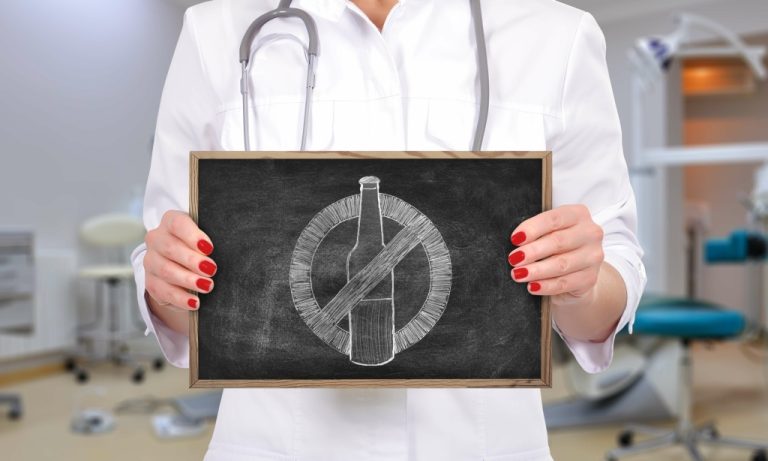
Understanding Alcohol Relapse
Most drug and alcohol treatment centers educate clients on relapse prevention techniques and help clients learn them in order to maintain recovery and achieve short- and long-term goals. There are a vast array of relapse prevention tools one can implement into their daily routine to help prevent relapse. There is a common misconception that relapse prevention skills should only be used when someone is having a desire to use. However, relapse prevention skills should be implemented into each recovering person’s daily schedule and routine to prevent or reduce the risk of cravings.